Science
Why Better Weather Forecasts Need More Than AI: The Global Data Gap Explained
New ECMWF research shows why filling gaps in the global weather observation network could improve forecasts across borders, even as AI changes prediction.
Global News
Useful Explainers

The Future, Clearly Explained.
Science
New ECMWF research shows why filling gaps in the global weather observation network could improve forecasts across borders, even as AI changes prediction.
Science
NASA confirmed Voyager 1 reached one light-day from Earth on 18 November 2026. Here is why signals now take 24 hours, what a new data issue means and what the spacecraft is still teaching scientists.
Science
UNEP reports confirmed action at 46 major methane sources in 13 countries. Learn how satellite monitoring works, what the figures mean, and why reporting is not the same as cutting emissions.
Business
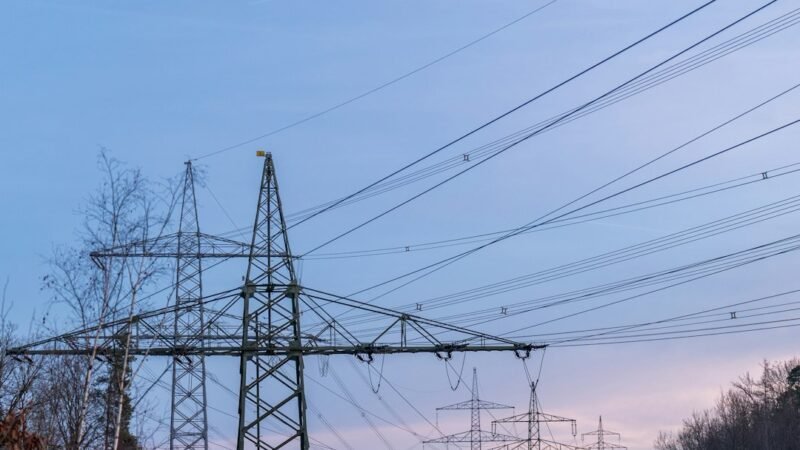
IEA's World Energy Outlook 2026 explains how energy supply disruption, rising electricity demand, AI data centres and power-grid constraints could affect the years ahead.
World
WHO estimates 10.6 million people developed tuberculosis in 2025, but 2.2 million cases were not diagnosed or officially reported. Here is what the 2026 report means.
Explained
NIST's new 2026 transition roadmap explains why organizations must prepare for quantum-era cybersecurity before powerful quantum computers arrive.
Explained
Passkeys let you sign in without memorizing a traditional password. Here is how the technology works, why it can resist phishing and what to know before using it.